


Why is Your Cars Mileage Low? Top Reasons And Easy Fixes
25 May,2026
Updated:30 September,2026
0 min read

share


Copied
 842
842This blog covers the key car mileage loss reasons and simple tips to improve car mileage.
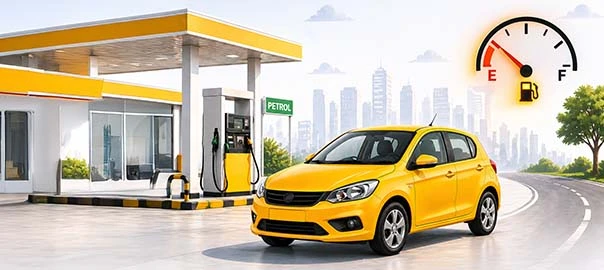
Fuel prices aren’t cheap in India, and with the growing calls for restrained usage of petrol and diesel, car owners have to be more mindful of their vehicle’s fuel efficiency. If you’re making more fuel station visits than usual for frequent refuelling, it might signal a reduced mileage issue.
If you don’t fix it early, it can significantly increase your monthly fuel expenses, disturbing your budget. Hence, we’ve covered all the common reasons behind car mileage problems and tips to improve car mileage for your convenience.
Common Reasons Behind Your Car’s Low Mileage
A car’s average mileage can be lower due to several reasons. We’ve covered some of the most common reasons that might have affected your vehicle mileage.
Low Tyre Pressure
It’s one of the most common reasons for car mileage loss that people overlook. If your car’s tyre pressure has dropped, underinflated tyres can increase rolling resistance. It means your car’s engine will have to work harder to move the car forward, which will require extra fuel.
Aggressive Driving Habits
Driving habits affect car mileage more than you think. If you usually accelerate harder and apply sudden brakes, then your car will consume more fuel. It will eventually reduce your car’s mileage over time.
Delayed Servicing
Timely car servicing is more important than you think. If you forget to replace old engine oil, dirty fuel injectors, or worn spark plugs at the right time, it will all lead to reduced combustion efficiency inside the engine.
As a result, your engine won’t be able to burn the fuel properly and start consuming more fuel to deliver the same performance. It will eventually lead to low mileage problems.
Excessive Idling
Cars that spend more time in long traffic jams, experience frequent stop-and-go movement, and unnecessary idling waste more fuel without covering any meaningful distance. It’s one of the main reasons why many city residents experience low car mileage.
How to Accurately Measure Your Car’s Mileage?
You can check the mileage displayed on the car’s instrument cluster. However, this figure may not always reflect the real-world fuel efficiency. Varying traffic conditions and driving style can temporarily affect the reading.
Hence, you should use the full-tank method to get a clearer, more reliable car mileage measurement. Here’s the step-by-step process to do it.
Fill the Fuel Tank Completely
Once your fuel tank is nearly empty, refuel it fully until the automatic cut-off stops the fuel flow.Reset the Trip Meter
After refuelling, reset the trip meter to zero. It will help you track the distance your car has covered.Drive Normally
Drive your car normally for the next few days. Avoid refuelling at this step, and don’t start testing mileage after extremely short trips.Refill the Tank Completely
Once the fuel level drops after days of vehicle use and the tank approaches near-zero level, get the tank refilled.Calculate the Car’s Mileage
Now, calculate the car’s mileage. For this, you should note down the total kilometres covered on the trip meter and the total fuel filled during the second refill. Once you’re ready with both the figures, use the following formula to get the accurate car mileage.Car Mileage = Total Distance Travelled ÷ Fuel Consumed
For example, if you’ve travelled 420 km and refilled 30 litres, then the car’s mileage is 14 kmpl (420 ÷ 30).
If you want a more realistic average, use the full-tank method over three to four fuel cycles instead of relying on a single reading.
Top Mileage Tips to Improve Your Car’s Mileage
Now that you’ve understood why your car mileage is low and how to measure the car’s mileage accurately, let’s explore some of the best tips to improve your car’s mileage.
Maintain Ideal Tyre Pressure
Maintaining an ideal tyre pressure is the easiest way to ensure optimal fuel efficiency. A tyre with the right pressure won’t create rolling resistance. It will ensure your engine operates more efficiently without consuming additional fuel. You can notice mileage improvements over time with this simple tip.
Drive Smoothly
Your driving behaviour directly affects your car’s fuel efficiency, so ensure you drive smoothly. Gentle acceleration, driving at steady speeds, and applying gradual brakes should become your routine driving behaviour. They’ll reduce unnecessary fuel consumption and improve car mileage.
Get Your Car Serviced at the Right Time
Whether you own a new or old car, you should prioritise its routine servicing and proper maintenance. It will keep all critical components, including engine oil, air filters, spark plugs, and fuel injectors in good condition. A well-maintained car and engine will burn fuel more efficiently, leading to gradual mileage improvement.
Avoid Long Periods of Idling
If you frequently get caught in long, slow-moving traffic, it’s better to switch off the engine. It will prevent unnecessary idling, so the fuel isn’t wasted. This simple fuel-saving hack can fix your low-mileage car problem.
How to Identify Your Car’s Mileage Problem?
A car mileage problem doesn’t become instantly noticeable. However, signs start to appear before car mileage issues worsen. To identify your car’s mileage issue early, as a precautionary measure, follow the methods listed below.
Track Mileage Over Multiple Fuel Cycles
A sudden drop in mileage after just one trip may not necessarily indicate a real mileage problem. Hence, you should use the full-tank method to measure your car’s mileage accurately. Keep repeating this method to become aware of fuel consumption patterns. We’ve already shared the step-by-step process for implementing the full-tank method above, so ensure you follow it.
Notice Changes in Engine Performance
As a part of routine car mileage care, you should always pay attention to your engine’s performance. If the car starts feeling less responsive, vibrates unusually, or struggles to accelerate, these may be signs that your engine is not burning fuel efficiently. Many car mileage problems start with similar small performance issues.
Check for Warning Lights on the Dashboard
Modern cars use sensors to monitor fuel consumption and engine efficiency. Hence, always keep a check on the warning lights on your car’s dashboard. A check engine light/other warning indicator can sometimes point to issues such as faulty oxygen sensors, injector problems, or emission-related faults. If not addressed early, these issues can silently reduce mileage over time.
Driving Habits That Help Improve Fuel Efficiency & Reduce Waste
One of the best car mileage tips is improving your driving habits. If you’re unsure of what changes to make, start by adopting the following driving behaviour.
Maintain a Consistent Driving Speed
You should try to drive at a consistent speed, as frequent speed fluctuations can repeatedly force the engine to consume extra fuel during acceleration.
Anticipate Traffic Instead of Braking Late
Drivers who constantly brake hard and accelerate repeatedly waste significant fuel in traffic. Every car owner should learn to read road conditions ahead, so they can slow down gradually and maintain a safe distance, reducing unnecessary acceleration cycles. It will help improve fuel efficiency and minimise waste.
Avoid Frequent Short Trips with Cold Starts
Engines consume more fuel immediately after starting because they need time to reach efficient operating temperature. Hence, you should avoid multiple short trips throughout the day, as they prevent the engine from warming properly. It can noticeably reduce the overall fuel efficiency over time.
Use the Right Gear at the Right Time
Driving in lower gears for too long can keep the engine’s RPM unnecessarily high, increasing fuel consumption. You should focus on shifting to higher gears smoothly at the appropriate speed, as this will help the engine operate more efficiently without placing excessive strain on fuel.
Conclusion
Low car mileage problems can become incredibly expensive in today’s economy, especially for people who regularly drive long distances. While car mileage issues are common, they can be fixed. To help you maintain optimal fuel efficiency at all times, we’ve covered the common car mileage loss reasons and car mileage care tips in this blog. Use this information to improve your car mileage over time.
Besides improving mileage problems, you can also improve your car’s overall financial protection by securing it under a dependable Car Insurance policy. The Comprehensive Car Insurance policy from Shriram General Insurance is one such policy; ensure you explore it.
FAQs
1. Can AC usage reduce my car’s mileage?
Yes. Excessive AC use increases engine load, which gradually affects a car’s mileage.
2. Why does my car deliver better mileage on highways than in city driving?
Cars usually deliver better mileage on highways because there’s less traffic and fewer slow-moving vehicles. It allows the car to drive at consistently high speeds, improving fuel efficiency.
3. Does carrying extra luggage affect car mileage?
Yes. If you carry excessive luggage in your car, the engine will require more fuel to keep the vehicle moving. It will eventually reduce your car’s mileage.
4. How can I improve my car’s mileage?
You can improve your car’s mileage by having it serviced regularly. You should also improve your driving habits for better results.
5. How often should I check tyre pressure to ensure better mileage?
Ideally, you should check it daily. If it’s not possible, you must check the tyre pressure before any long trip.