

Why Do Some Cars Have a Higher Insurance Premium Than Others
27 July,2026
Updated:30 September,2026
0 min read

share


Copied
 401
401This blog covers the key points that influence car insurance rates. It will help you understand why some cars have a higher car insurance price than others.
If you visit any car showroom and start exploring multiple SUVs/hatchbacks in the same price range, you’ll be surprised to notice the difference in their on-road prices. While numerous costs are included in a car’s on-road price, the car’s insurance premium accounts for a considerable portion.
It’s a permanent, recurring amount you’ll have to pay to keep your car running on Indian roads. Since car insurance costs affect the cost of car ownership, it’s helpful to understand why car insurance costs more for some cars. You can use it to make smarter car selection. Discover more in this blog.
What is an Insurance Premium?
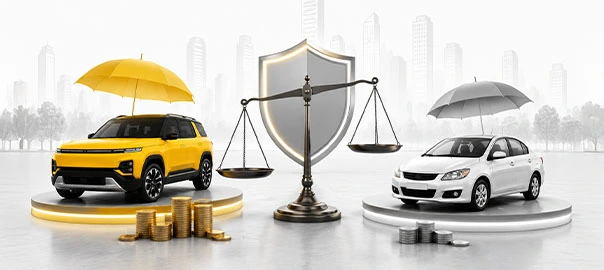
A car insurance premium is the amount you pay to keep your car insurance policy active and valid. You can view it like a recurring payment you make to an insurance company. In return, the insurer provides financial protection against the risks covered in the policy.
How is Insurance Premium Calculated: Key Factors Influencing Premium Calculation
Insurance companies in India don’t use a single formula to calculate premiums. Instead, they assess the vehicle’s risk on multiple parameters. The higher the probability of a claim and the greater its expected cost, the higher the premium is likely to be. Insurers usually rely on the following key factors to calculate a car’s insurance premium.
Insured Declared Value (IDV)
Insurers evaluate the car’s IDV because it determines how much money they’re liable to pay if your car ever gets stolen or damaged beyond repair. If you’re new to insurance, IDV is nothing more than the car’s current market value. Since higher-value vehicles expose insurers to the risk of larger payouts, they usually have higher insurance premiums.
Repair and Spare Part Costs
In addition to assessing a car’s market value, insurers consider its estimated repair costs. If your car features imported components, involves specialised repair procedures, or has expensive spare parts, then claims can be on the higher side. Hence, such cars usually attract higher car insurance rates.
Vehicle Make, Model, & Claims History
Most vehicle models have their own claims record. Hence, if a particular model has a record of frequent accidents or expensive repair bills, insurers may treat it as high-risk. This increased risk profile will automatically attract a higher premium.
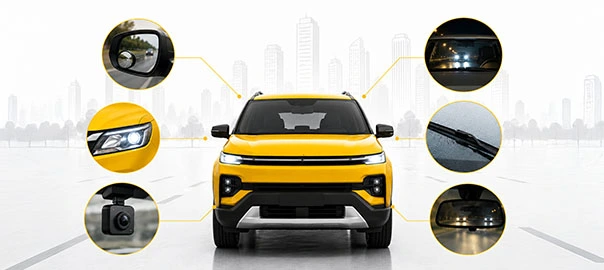
Safety & Security Features
Cars with advanced safety & security features are considered safer. While the presence of these features won’t eliminate the risk of road accidents, they may lower the intensity of damage, leading to smaller claims. Hence, such cars may have slightly lower premiums.
Coverage & Claim History
Car insurance costs are determined significantly by the type of coverage you choose and your claim history (if any). For example, third-party insurance will have lower premiums compared to a comprehensive policy with multiple add-ons. If you had a policy previously, insurers will also assess your claim history to determine the car insurance rate.
Why Insurance Costs Vary From One Car to Another
Car insurance costs usually vary from one car to another based on each car’s risk profile. Even two similar cars at different locations, with slightly different features, can have significantly different premiums for the same reason. Insurers usually estimate a car’s insurance premium based on the vehicle’s location, current value, model, etc., which naturally varies from one car to another. You can go through the previous section for a detailed understanding of what affects car insurance premiums.
How Safety Technology Can Lower Premium
The presence of safety technology can notably influence car insurance prices. Cars equipped with safety technologies are generally less likely to face serious accidents. Even if they do, the severity of damage may not necessarily be extreme. Hence, they don’t generate high-value claims, although exceptions may exist. Features like airbags, TPMS, ABS, and certified anti-theft devices are designed to lower either the likelihood of an accident or the severity of its consequences. While safety technology doesn’t guarantee lower car insurance premiums, they do improve a car’s overall risk profile.
Impact of ADAS and Modern Safety Systems
ADAS and other similar modern safety systems present an interesting balance for insurers. While ADAS features like automatic emergency braking can prevent road accidents or collisions, they can also increase repair costs when an accident/collision occurs. Hence, their impact on insurance premiums depends on how insurers evaluate both risk reduction and claim costs. The following points will clarify it further.
Reduces the Risk of Accidents
If your car has features like lane keep assist or automatic emergency braking, it can help you avoid common collisions that are usually caused by delayed reactions or human errors. Since the risk of accidents is lower, it leads to lower claim frequency over time.
They Can Increase Repair Costs
ADAS relies on advanced cameras, radar sensors, etc., to function properly. Since these are all expensive components, even minor damage can lead to an expensive repair/replacement bill. It results in costly claims.
Insurers Evaluate Both Benefits and Costs
Rather than assuming ADAS will always lower or increase car insurance prices, remember that insurers will always assess the overall risk involved with a particular vehicle. If the reduction in accident frequency outweighs the higher repair costs, then you may receive a comparatively lower premium, depending on the insurer’s discretion.
Tips to Reduce Your Car Insurance Premium
Anyone seeking affordable car insurance in India can follow the tips shared below.
Pick Add-Ons You Genuinely Need
It’s one of the easiest ways to get a lower car insurance premium. If you want to expand the scope of your policy coverage, only purchase add-ons you actually need. Adding unnecessary add-ons will increase the car insurance price, as each add-on comes at an additional cost.
Opt for a Higher Voluntary Deductible
You may consider choosing a higher voluntary deductible at policy purchase, as it may lower the premium. However, choose an amount you can comfortably pay during times of emergency.
Maintain a Strong No Claim Bonus (NCB) Record
A good NCB record may not earn you an instant premium reduction, but it can help you secure lower premiums after a few years. You can maintain a good NCB record by avoiding filing claims for small repairs that you can comfortably pay from your own pocket.
Install Certified Anti-Theft Devices
Invest in high-quality anti-theft devices to reduce your vehicle’s overall risk profile. Although it doesn’t guarantee lower premiums, it may still increase the likelihood of securing a comparatively lower car insurance rate.
Common Myths About Car Insurance Rates
| Myth | Reality |
|---|---|
| Myth 1: All Expensive Cars Have Higher Insurance Premiums | Reality: It’s partially true. Although expensive cars usually have higher premiums than economy models, insurers don’t rely on the car’s market value alone to determine the premium amount. Whether a car will have a higher or lower premium also depends on its safety features, theft risk, estimated repair costs, claim history, and numerous other factors. |
| Myth 2: Older Cars Are Always Cheaper to Insure | Reality: There’s a common misconception that older cars have lower market value, so they’ll naturally attract lower premiums. If an older car has expensive spare parts, higher reported rates of road accidents/collisions, and is driven on extremely congested roads, then the premiums can still be higher. |
| Myth 3: Every Safety Feature Will Automatically Lower The Premium Amount | Reality: Having safety features is good for your vehicle. Although it can reduce your car’s overall risk profile, there’s no guarantee that it will reduce your premium. |
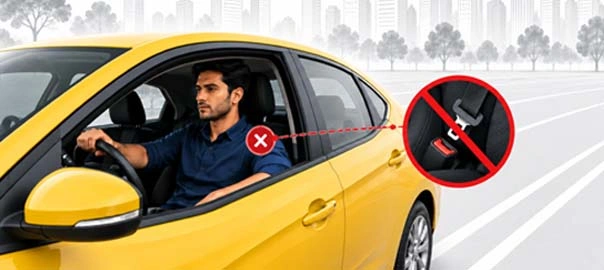
| Myth 4: Your Driving History Will Not Affect Premiums | Reality: Some people believe that insurers only assess the vehicle, not the owner’s driving habits while determining the car insurance premium. In reality, they evaluate the car owner’s driving history. If you have a track record of overspeeding, frequent collisions, or any activity that indicates unsafe driving habits, then you may be charged a higher premium. |
Conclusion
For insurers, cars belonging to the same vehicle segment, price range, and location can have varying risk profiles. Hence, you’ll find different premiums for seemingly similar cars. We’ve covered every key detail in this blog that will help you understand why car insurance costs more for some cars and what affects car insurance premiums.
If you’re currently exploring dependable Car Insurance plans to financially protect your vehicle, then you may explore the different plans available at Shriram General Insurance. Consider checking the Comprehensive Car Insurance plan if you want personalised coverage and plenty of add-on options.
FAQs
1. Will installing anti-theft devices help me get a lower insurance premium?
If you install high-quality anti-theft devices, your car’s overall risk profile may improve. It may earn you a discount, lowering the premium amount.
2. Can my location affect the insurance premium rate?
Yes, it does. Cars registered in crowded metro cities or high-risk areas usually attract higher premiums.
3. How can I lower my premium without affecting coverage?
If you want lower premiums while retaining the coverage, try to maintain a good No Claims Bonus (NCB) record.
4. What factors influence car insurance premium calculation?
Here are some of the key factors: the car’s market value, location, age, coverage type, and other key factors.
5.Should insurance premiums influence my car-buying decision?
No, it shouldn’t. Your car buying decision should depend primarily on whether it aligns with your daily driving requirements and if it provides the desired features.