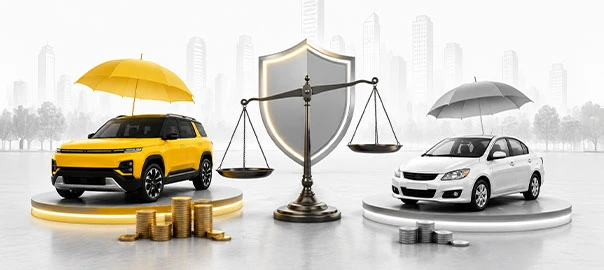


Can Your Car Insurance Claim Be Rejected for Not Wearing a Seat Belt?
24 July,2026
Updated:30 September,2026
0 min read

share


Copied
 457
457This blog covers car insurance claim rules that determine whether you’ll receive a full motor insurance claim or face a claim rejection for not wearing a seat belt.
Indian drivers are well aware that not wearing seat belts while driving can attract traffic challans and other penalties. Still, many are unaware of the impact it can have on their motor insurance claim approval rate. If you have a similar doubt, this blog is for you. We’ve covered the key seat belt insurance rules to clear up your doubts.
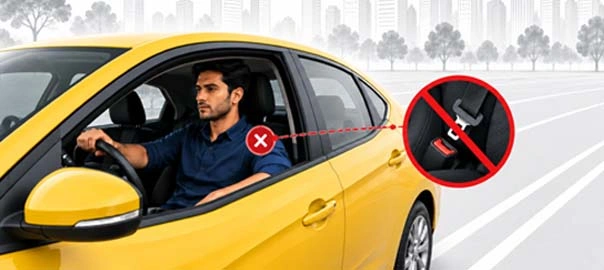
Why is Wearing a Seat Belt Mandatory?
Seat belts are mandatory because they prevent people from being thrown forward aggressively or ejected from their seats during a crash. They’re designed to reduce the risk of severe bodily injuries or death during high-impact road accidents/collisions. Beyond safety, wearing a seat belt is a legal requirement under India’s road traffic framework. If you’re caught driving without wearing a seat belt, you may receive a fine of ₹1,000. This fine applies to both front and rear-seat passengers under section 194B for not wearing a seat belt.
Recent Road Safety Initiatives by Authorities
In 2023, nearly 16,715 people unfortunately died in road accidents because they weren’t wearing seat belts. Out of these casualties, 8,384 were drivers, and 8,331 were passengers. Hence, Indian authorities are working on the following road safety initiatives to make driving safer for all.
● Seat Belt Reminder for Rear Passengers
According to the new vehicle safety regulations, cars manufactured after 1st April, 2025, must have seat belt reminders for rear-seat passengers. It will significantly lower the risk of severe injury in the event of a road accident/collision.
● AI-Based Traffic Management on Indian Highways
The government is working to implement AI-based traffic management systems on all national highways. This advanced system will include cameras for automatic number plate recognition, AI-based video incident detection and enforcement systems, and more. The key objective behind this initiative is to reduce accidents on highways, making them safer for all.
● Vehicle Engineering to Make Cars Safer
Indian authorities also placed the responsibility for road safety on car manufacturers. They instructed automakers to mandate the use of an anti-lock braking system for certain classes of vehicles. Guidelines for the speed-limiting function, reverse parking alert system, and seat belt reminders were also set.
The Link Between Seat Belts and Car Insurance Claims
Since wearing seat belts is compulsory under Indian traffic laws, many people wonder whether failing to wear one could be grounds for a claim to be rejected. In reality, no law mandates motor insurance claim rejection for such reasons. However, the insurance claim process often becomes challenging in these cases. If the case reaches a tribunal or a court, the insurer may lower the claim amount once it proves negligence on the policyholder’s end. Although claims aren’t outright rejected for not wearing a seat belt, the outcomes may still vary from case to case.
The Importance of Following Traffic Regulations
Traffic regulations are designed to reduce the likelihood and severity of road accidents, so everyone should follow them. Wearing seat belts is only one traffic rule, and violating it can attract a seat belt fine. Other key traffic regulations include adhering to speed limits, avoiding drunk driving, obeying traffic signals, and maintaining lane discipline. Following traffic regulations is crucial because it helps keep roads safer for you and everyone around you.
Steps for Motor Insurance Claim Process
If your car has been involved in a road accident, file a car insurance claim by following the steps outlined below.
● Inform the Insurer
You should inform your insurer at the earliest, as prompt reporting allows the insurer to register the claim in time.
● Document the Accident Scene
Since you’ll have to share visual evidence that confirms the accident and the extent of vehicle damage, ensure you take clear photographs and videos of your car. You can also document the accident location, the surrounding conditions, the registration numbers of the involved vehicles, and other relevant details. All these documents can become valuable assets during claim assessment.
● File an FIR (If Required)
You’ll usually have to file an FIR in cases involving third-party injuries, fatalities, theft, fire, malicious damage, or any other criminal offence. You can skip it for minor collisions that result in small scratches.
● File the Claim Form & Upload Relevant Documents
Once you’ve collected the documents and filed an FIR (if required), you can visit your insurer’s official website and file a formal claim request. Submit all the documents you’ve collected in the previous steps, along with repair estimates and other documents requested by the insurer.
● Wait for Vehicle Inspection
The insurance company will assign a licensed surveyor to inspect the damaged vehicle. They will also verify the cause and extent of the damage and estimate the admissible claim amount.
● Claim Settlement
If the inspection’s findings are in your favour, you will receive the car insurance claim approval.
Difference Between Own Damage and Personal Accident Claims
Own damage and personal accident claims are widely different, as the former protects your vehicle, while the latter protects the people travelling in it. We’re talking about the financial protection the car and its occupants receive in the event of a road accident/collision. The following table will help you understand their key differences.
| Basis of Differentiation | Own Damage Claims | Personal Accident Claims |
|---|---|---|
| What is Covered? | It covers the cost of repairing the insured vehicle. | It provides financial compensation to the insured in the following cases: bodily injuries, permanent disability, and death. |
| Who Receives the Reimbursement? | Reimbursement is made directly to the policyholder. In case of a cashless claim, the insurer will directly settle the repair bill with the network garage owner. | The compensation is issued to the policyholder or their nominee, depending on the nature of injury or death. |
| Claim Amount Calculation | Calculations are made based on the surveyor’s assessment, repair estimates, and policy terms. | The claim is calculated based on the sum insured specified in the personal accident cover and the nature of the injury. |
| Documents Required | Claim form, RC, photographs/videos displaying the extent of damage, FIR (if required), repair estimate, etc. | Claim form, medical reports confirming the injuries, disability or death certificate, and other key documents as requested by the insurer. |
How to Ensure a Hassle-free Insurance Claim Process
- Report the accident to your insurer at the earliest.
- Collect and share all relevant pieces of evidence with the insurer to facilitate smoother claim assessment.
- Be ready with all key documents the insurer may request, along with the claim form and supporting evidence.
- Use a network garage to repair your insured vehicle whenever possible.
Conclusion
Wearing a seat belt shouldn’t be treated as optional. If you’re ever caught driving without wearing a seat belt, traffic authorities can impose a seat belt fine. While not wearing a seat belt cannot be used as a valid reason to reject a claim, it may still complicate the process. Hence, always wear it for safety and convenience. If you’re exploring a single plan that covers financial damages caused to you and your car during road accidents/collisions, then consider checking the Comprehensive Car Insurance plan at Shriram General Insurance.
FAQs
1. Can an insurer reject a car insurance claim for not wearing a seat belt?
Not wearing a seat belt isn’t a valid reason to reject claims. However, you may not receive the full claim amount if your negligence is proven.
2. Should rear seat passengers wear seatbelts?
Yes, they should. In fact, some cars feature rear seat belt alerts to remind passengers to buckle up for safety.
3. What if I don’t wear a seat belt?
If you don’t wear a seat belt, you’ll become more vulnerable to severe body injuries during road accidents. You’ll also attract seat belt fines for violating this traffic rule.
4. What’s the benefit of following all traffic regulations?
Following all traffic regulations has two primary benefits: safety and legal compliance.
5. Is it necessary to file an FIR after a road accident?
It depends on the severity of the accident and the damage involved. An FIR is generally required for high-impact accidents in which the car has been significantly damaged and people have been injured.