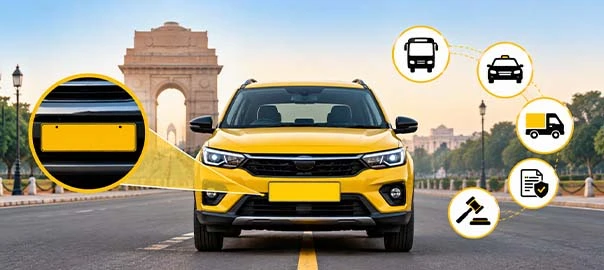


No Insurance, No Fuel? Supreme Courts Proposal Explained
07 October,2026
Updated:07 October,2026
0 min read

share


Copied
 16
16This blog simplifies the latest ‘No Insurance, No Fuel’ proposal for Indian vehicle owners.
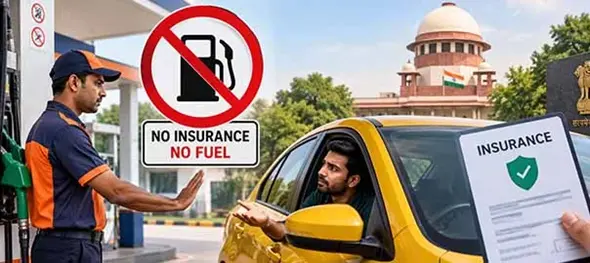
Have you ever been refused fuel at a petrol station because of your vehicle insurance status? Most vehicle owners wouldn’t have experienced it because there’s no correlation between fuel and vehicle insurance. However, the Supreme Court’s latest ‘No Insurance, No Petrol’ proposal may make it a reality in the future.
If you’re an Indian vehicle owner, you should read this full blog to understand what the proposal entails. It will clarify what the ‘No Insurance, No Fuel’ proposal is and how it can affect you (if approved).
Why Has the No Insurance, No Fuel Proposal Been Discussed?
During a court hearing on 4th August, 2026, India’s Supreme Court proposed implementing a rule allowing petrol stations to refuse fuel to uninsured vehicles. The proposal came after the court revealed the startling state of vehicle insurance compliance in India.
According to data shared by the bench, nearly 56% of vehicles on Indian roads are uninsured, despite insurance being mandatory. Uninsured vehicles also cause 22% of road accidents.
As a result, people affected in road accidents get entangled in long legal proceedings to get rightful compensation for the damages caused. It defeats the purpose of making third-party insurance compulsory under Section 146 of India’s Motor Vehicle Act. The ‘No Insurance, No Fuel’ proposal was suggested as a solution to this problem.
Supreme Court’s Proposal: What Do Vehicle Owners Need to Know
The Supreme Court’s no fuel proposal is still in the early discussion stages. It has not yet become part of India’s existing car insurance rules. The proposal suggests that valid insurance becomes compulsory to get fuel.
If it is approved and becomes a new car insurance rule, you won’t get fuel if your car is uninsured or your existing insurance has expired. The Supreme Court has asked IRDAI and MoRTH to collaborate and design a pilot project to test implementation.
Although the locations for the pilot project are not yet finalised, the bench suggested it can begin from Delhi. The court has also directed the integration of ANPR cameras with the VAHAN portal and the Insurance Information Bureau (IIB) database. It can make it easier to identify uninsured vehicles.
Understanding Third-Party Insurance Requirements
Whether you own a two-wheeler or a four-wheeler, a private vehicle or a commercial one, you cannot drive it without securing it under relevant vehicle insurance. As per Motor Vehicles Act’s Section 146, every Indian vehicle must have at least third-party insurance coverage.
This is the basic insurance requirement as per existing vehicle insurance rules. It protects people who are either hurt or die due to a road accident. This coverage also includes financial damage caused to someone’s property during a road accident.
Many vehicle owners choose it over other options because it’s cost-effective and aids legal compliance. However, if you want all-round protection, you can also choose comprehensive insurance over third-party insurance.
How Could This Proposal Affect Vehicle Owners
Although car insurance is currently mandatory, more than half of Indian vehicles on the roads remain uninsured. The Supreme Court’s no-fuel proposal could make it impossible to use vehicles without valid insurance by preventing fuel supply. As a vehicle owner, you’ll need to renew your insurance on time to keep receiving an uninterrupted fuel supply at petrol stations.
What Should You Check Before Going to a Fuel Station?
As of today, you don’t have to check anything before going to a fuel station. You can drive to a nearby petrol station and refuel when your car’s fuel levels start to drop.
However, if the ‘No Insurance, No Petrol’ proposal gets legal validity in the future, then you’ll have to check your car’s insurance status before going to a fuel station. You must ensure you never skip timely insurance renewals if you want to keep using fuel stations as you usually do.
How to Keep Your Car Insurance Valid
The simplest way to keep your car insurance valid is to renew it on time. Review your car’s insurance coverage before renewal to ensure you have sufficient coverage.
If you struggle to remember renewal dates, explore automatic renewal options (if available) or set reminders at least 15 days before the renewal date. This can help you maintain the policy’s validity. Even if you cannot do any of these, watch for notifications from your insurer, as they’ll send timely reminders for policy renewals.
No Insurance, No Fuel: Key Takeaways for Drivers
Here’s a quick roundup of the ‘No Insurance, No Fuel’ proposal for Indian drivers.
- You cannot get fuel if your car is uninsured or the insurance has expired. It’s not applicable currently, but may become a reality if the proposal gets legal validity.
- The proposal is still in the discussion and developmental stage; it has not been approved yet.
- Pilot projects will be designed first to test implementation.
- ANPR cameras installed on highways and city roads will integrate with the VAHAN portal and the Insurance Information Bureau (IIB) database to enable faster identification of uninsured vehicles.
Conclusion
Vehicle owners across the country are talking about the latest 'No Insurance, No Petrol’ proposal. However, a lack of clarity is triggering confusion and concerns. So, we’ve simplified the key points in this blog so everyone can clearly understand what the proposal means for them.
If you own an uninsured car or plan to buy a new one, insure it at the earliest. You can explore our Car Insurance plans for better coverage and personalisation options. Commercial vehicle owners can explore our Passenger Carrying Vehicle Insurance and Shriram Goods Carrying Vehicle Insurance.
FAQs
Has the ‘no insurance, no fuel’ proposal received legal approval?
No, not yet. The proposal is still in its developmental stage, and authorities are designing pilot projects to test implementation.
Where will the pilot projects be conducted for the ‘no insurance, no petrol’ proposal?
Currently, the locations haven’t been finalised yet. However, the court has suggested that implementation start in Delhi.
What if the Supreme Court’s no-fuel proposal gets legal status?
If the proposal gets legal status, then you won’t get fuel for uninsured vehicles. You’ll either have to buy the relevant vehicle insurance or renew an existing policy on time to keep getting fuel.
Does the ‘no insurance, no fuel’ proposal apply for every vehicle in India?
Yes, the proposal covers every type of vehicle, including two-wheelers, four-wheelers, etc. Whether you use a vehicle for private or commercial purposes, you’ll need valid insurance for both to continue receiving an uninterrupted fuel supply (if the proposal becomes a legal mandate in the future).
How can I keep my vehicle insurance valid?
You can keep it valid by renewing it on time. Keep reviewing the policy coverage before renewal to ensure you have sufficient coverage.