

Is Zero Depreciation Car Insurance Worth it for New Cars in 2026?
31 March,2026
Updated:30 September,2026
0 min read

share


Copied
 4580
4580This is your introductory guide to zero depreciation car insurance.
The excitement of a new car doesn’t last forever. Sometimes, it ends soon after the first scratch, dent, or minor accident. This is when insurance stops being a formality and starts becoming a real financial decision.
How prepared you are for such instances, as a new car owner, depends entirely on the type of coverage you’ve chosen for your vehicle. People with zero depreciation car insurance are usually better prepared for such events. This blog explains how.
What is Zero Depreciation Car Insurance?
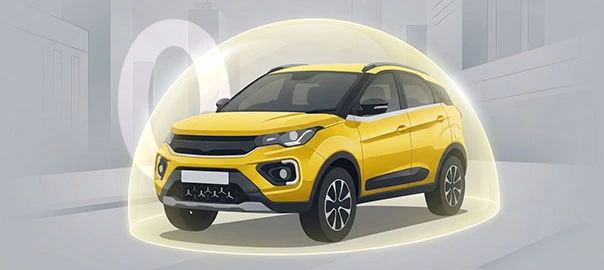
Zero depreciation is an add-on cover that you can purchase to extend the coverage scope of your policy. Although comprehensive insurance plans provide greater financial coverage than third-party policies, claims are usually paid based on the car’s depreciated value.
Insurance companies apply depreciation on car parts, such as plastic, rubber, and metal, based on the car’s age. Policyholders must bear the repair or replacement costs for these components.
However, you can ask the insurer to pay for the full damages if you’ve purchased zero depreciation coverage in India. This add-on bridges the depreciation-related coverage gap; hence, ensure you attach it to your new car insurance in India.
How to Buy Zero Depreciation Coverage in India
Buying zero depreciation coverage in India is straightforward. You can add this coverage when you buy new car insurance in India or renew your existing policy. The option to include this add-on is naturally embedded in the purchase/renewal process, so you won’t have to search for it separately. However, remember that this coverage can only be purchased if you’re buying/renewing a comprehensive car insurance policy.
Zero Depreciation Car Insurance vs Regular Car Insurance
Purchasing zero-depreciation coverage in India can increase your premium, as each add-on costs extra. It’s why some individuals take time to decide whether to stick with a regular policy or choose zero-depreciation car insurance.
We’ve shared a zero depreciation vs regular insurance analysis to help you make an informed decision.
| Basis of Differentiation | Zero Depreciation Car Insurance | Regular Comprehensive Car Insurance |
|---|---|---|
| What Happens During a Claim | You get full reimbursement for replaced car parts, with minimal deductions | Depreciation is deducted on car parts, reducing the claim amount significantly |
| Your Actual Expenses After an Accident | Mostly limited to deductibles and small exclusions | It can be surprisingly high, especially for plastic and fibre car parts |
| Best Suited for | New cars, daily drivers, urban usage, and premium vehicles | Older cars, low-usage vehicles, and owners who are comfortable with taking financial risk |
| Premium vs Claim Trade-Off | You pay more upfront to avoid uncertainty later | You save on premiums initially, but take on more financial risk during claim settlements |
| Long-Term Value | Often cost-efficient if even 1-2 claims occur in the first 3 to 5 years of car ownership | Cost-efficient only if you make little to no claims |
Benefits of Choosing Zero Depreciation Car Insurance
Choosing zero-depreciation car insurance over a regular policy can be slightly more expensive for some, but the benefits it provides are easily worth the extra cost. Here’s a list of the key benefits –
Significantly Lower Out-of-Pocket Expenses
Since depreciation is not deducted during claim calculation, you don’t have to pay for certain car components’ repair or replacement from your own pocket.
Better Protection for New Cars
Since a car depreciates most in its first five years of use, having zero depreciation coverage can prevent unexpected financial strain after a road accident, collision, or other unfortunate incident.
Better Financial Predictability
With zero depreciation, you’re less likely to face unexpected repair bills. This predictability is valuable for budgeting, particularly for new car owners who want clarity on ownership costs beyond fuel and maintenance.
Explain New Car Insurance in India
New car insurance in India refers to the first insurance policy you purchase for your brand-new car. It can be either third-party or comprehensive, depending on your coverage needs and personal preferences.
Even if you choose comprehensive new car insurance in India, you should remember that the standard coverage doesn’t include zero depreciation. It’s still a separate add-on that should be purchased alongside the main policy.
Car Insurance Tips for 2026 You Must Know Before Buying
The following car insurance tips for 2026 will help you choose the best available policy in the market.
Don’t Just Compare Premiums, Compare Coverage
A lower premium may look attractive, but it often comes with limited coverage. Hence, never limit car insurance comparison to premiums alone. Instead, compare premiums against their coverage, inclusions, exclusions, available add-ons, etc.
Understand Add-ons Before Purchasing Them
Some policyholders unknowingly purchase add-ons they don’t necessarily need. For instance, a zero-depreciation coverage can be relevant for new cars but not really effective for an 8-year-old car. Always understand the available add-ons before adding them to your standard policy. It can help you save money without compromising coverage.
Check the List of Network Garages
Every insurance company has its own list of network garages where you can avail a cashless repair facility. You should prioritise insurers with a wider, well-spread network of garages across your city/town, as this will facilitate easier, faster repairs.
Final Thoughts
Zero depreciation might appear like just another add-on, but it can become the smartest investment for new car owners. A car depreciates most during the first five years of ownership. It can result in higher out-of-pocket expenses if your policy doesn’t include zero depreciation coverage. If you’re exploring cost-effective zero depreciation car insurance, you should explore the car insurance plans available at Shriram General Insurance.
FAQ
1. Does zero depreciation cover all types of damage?
No, it excludes damages caused by regular wear and tear, mechanical breakdown, and owner negligence.
2. Can I purchase zero-depreciation cover with a third-party car insurance policy?
No, it’s only available with comprehensive car insurance policies.
3. Are there limits on claims?
Yes, most insurers have limits. Since the limit isn’t standard across insurers, we recommend checking insurer-specific limit rules.
4. Can a zero depreciation cover be purchased later?
You can purchase it later during policy renewal, subject to your car’s eligibility.
5. Does it cover engine damage?
No, engine protection requires a separate add-on.